Content
The School of Global Integrative Studies (SGIS) offers dynamic programs in anthropology, geography, and global studies—fields that help you make sense of an interconnected world. Our courses also support students preparing for careers in education, health, forensic science, business, nonprofits (NGOs), and government service at the state and federal levels.
Explore our new courses below, along with others that may spark your interest, fit your goals, and help you satisfy college and ACE requirements. Whether you’re just starting out or planning your next steps, there’s something here for you.
Want help mapping it all out? Connect with SGIS advisor Kristin Plath to learn more about our majors and recommended course pathways.
GEOG 140
Introductory Human Geography
Andrew Husa
Explore the why of where as we study how human activity shapes our planet in this dynamic introduction to human geography. Course material covers the vital connections between people and places, covering important topics such as migration, globalization, cultural landscapes, language, religion, and development.
What to expect
At the end of the semester, students will be asked to create a digital poster making comparisons of three topics (e.g. language, religion, agriculture) and a shared significant global issue between two countries, with one being from the Global North and one from the Global South.
Professional skills
Knowledge of Human Diversity
ACE 9, Offered online
Register on MyRED
GEOG 155
Elements of Physical Geography
Jim Benes
Physical Geography encapsulates the beauty of the world. Have you ever wondered why the rivers flow, what causes the weather, or how soils are made? We explore these wonders and more in lecture and lab. We also take a tour of Robber's Cave in Lincoln, Nebraska to see this historic landmark.
What to expect
You can expect an engaging lecture full of exciting facts about the environment and a fun lab that explores the seasons, river systems, volcanoes, and tours different labs on campus in the Earth Sciences.
Professional skills
Critical thinking; data collection; basic Excel skills; taking scientific measurements
ACE 4, Required lab/recitation
Register on MyRED
GEOG 217
Introduction to GIS
Andrew Husa
Introduction to GIS enables students to explore, discover, understand, and communicate spatial patterns and relationships. By the end of this course, students will have a portfolio-ready project and the skills to see the world through a spatial lens. No prior GIS experience is required, just a curiosity about the world and how to visualize it digitally.
What to expect
Students will use industry-standard ArcGIS Pro to visualize complex data, map hidden patterns, and solve real-world spatial problems.
Professional skills
Data Visualization, Data Management, Spatial Analysis and Modeling, Software Proficiency
ACE 3
Register on MyRED
GEOG 246
Battlespace Geography
Jim Benes
We explore the environmental factors that challenge military operations and decision making. We analyze different aspects of terrain, weather and climate that impede or advantage battle tactics. We also develop a basic overview of how the military views and organizes the world.
What to expect
You can expect engaging lectures from the instructor and many guest lecturers from military or military-adjacent organizations. This class is group-based throughout the semester where groups work at tables to solve challenges and puzzles related to military operations.
Professional skills
Military intelligence analysis; topographic map reading; critical thinking; reading and analysis; peer-to-peer interaction
ACE 6
Register on MyRED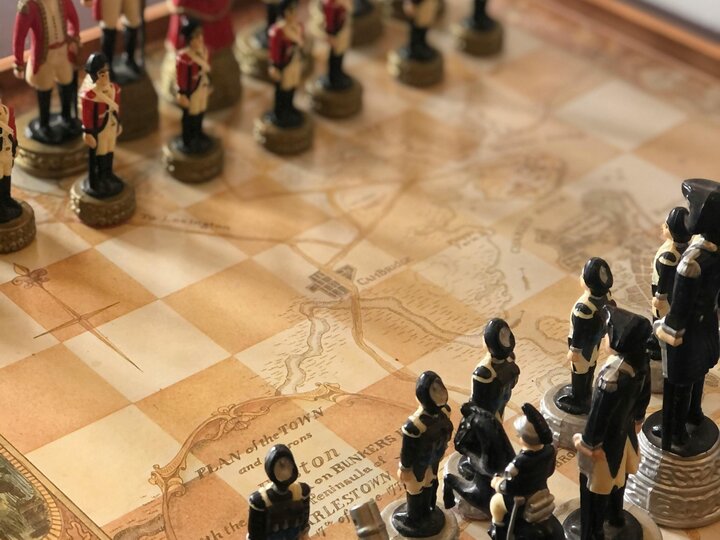
GEOG 334
Historical Geography of the Great Plains
Andrew Husa
Dismissed by early explorers as the "Great American Desert" and frequently overlooked today as "flyover country," we study the Great Plains as one of the most dynamic, complex, and vital regions in the world. Come explore the history of the Great Plains through a spatial lens, as we analyze the landscape as the unwitting autobiography of its inhabitants.
What to expect
At the end of the semester, students are asked to create a presentation for a proposed entry in the Encyclopedia of the Great Plains. This will include an overview of a student-chosen topic, how it relates to the region, and why it would make a good encyclopedia entry.
Professional skills
Regional Expertise and Cultural Intelligence
ACE 5
Register on MyRED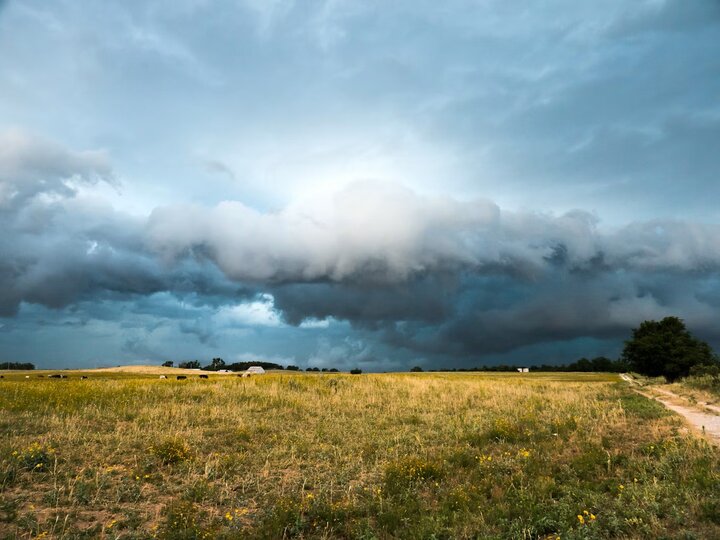
GEOG 361
Urban Geography
Andrew Husa
Cities are where economic opportunity, infrastructure, housing, transportation, and public policy intersect. This course examines how cities grow, function, and adapt — in the United States and globally — giving students practical tools to understand urban development, land use, governance, and long-term planning in a rapidly changing world.
What to expect
Students complete three exams, applied exercises, and a professional book review analyzing a major work in urban studies. Assignments emphasize interpreting data, evaluating urban systems, and applying geographic concepts to real-world issues such as housing markets, transportation, economic development, and metropolitan governance.
Professional skills
Spatial & Economic Analysis, Policy & Planning Literacy, Data Interpretation, Analytical Writing, Systems Thinking
ACE 6
Register on MyRED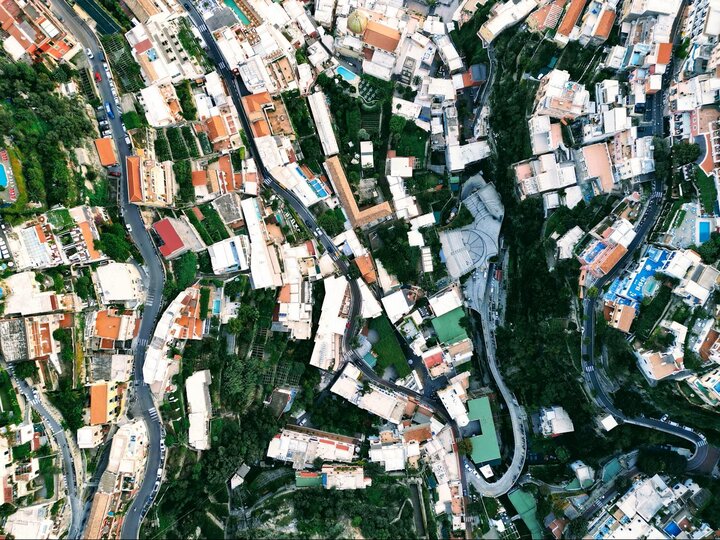
GEOG 444/844
Geo-demographics and GIS
Glen Humphress
Where are people moving — and why? How can population data guide decisions about schools, healthcare, infrastructure, business development, and public services? This course teaches students how to analyze demographic change using Geographic Information Systems (GIS), equipping them with practical tools to interpret Census and community data for planning, policy, and market analysis.
What to expect
Students complete hands-on GIS mapping exercises using real Census and American Community Survey data, two applied exams, and a professional book review (or graduate research paper). Assignments emphasize data interpretation, spatial analysis, and using demographic evidence to evaluate trends in migration, public health, urban growth, and resource planning.
Professional skills
GIS & Spatial Analysis, Demographic Data Interpretation, Applied Statistical Reasoning, Evidence-Based Planning,Technical & Analytical Writing
Register on MyRED